

A Bavarian optical house invented from nothing: one frame, six hand-cut acetates, an optical line, a campaign film, six synthetic faces — and a complete storefront we coded and shipped.
Eyewear is the hardest product category to fake. A garment forgives; a frame does not. It is a rigid object with a fixed geometry that has to survive twenty-four camera angles without a single hinge moving, and then sit believably on six different faces without changing size. That is the actual brief behind GRAUWALD — not “make a nice picture of sunglasses,” but hold one manufactured object identical across thirty-plus images and a film.
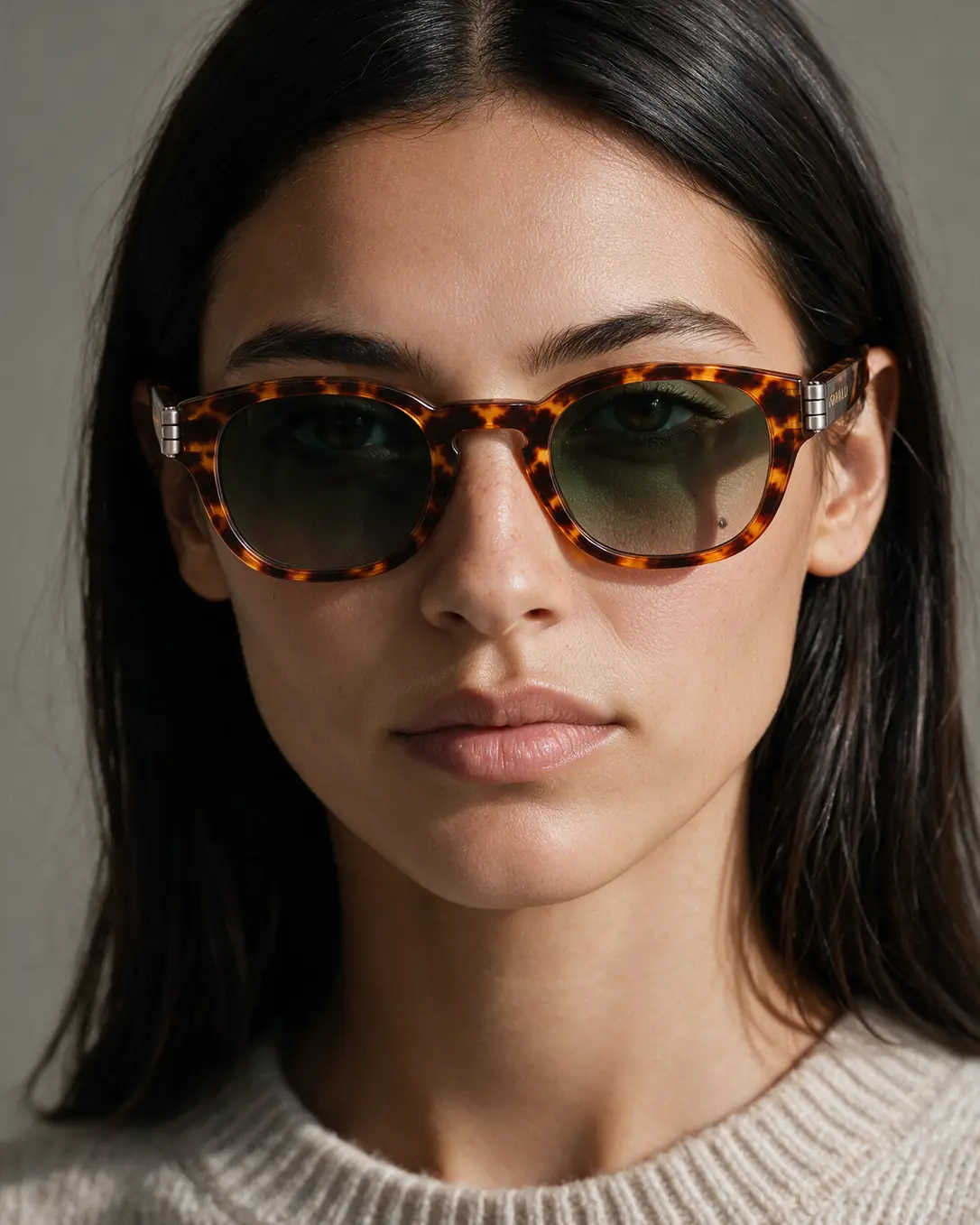
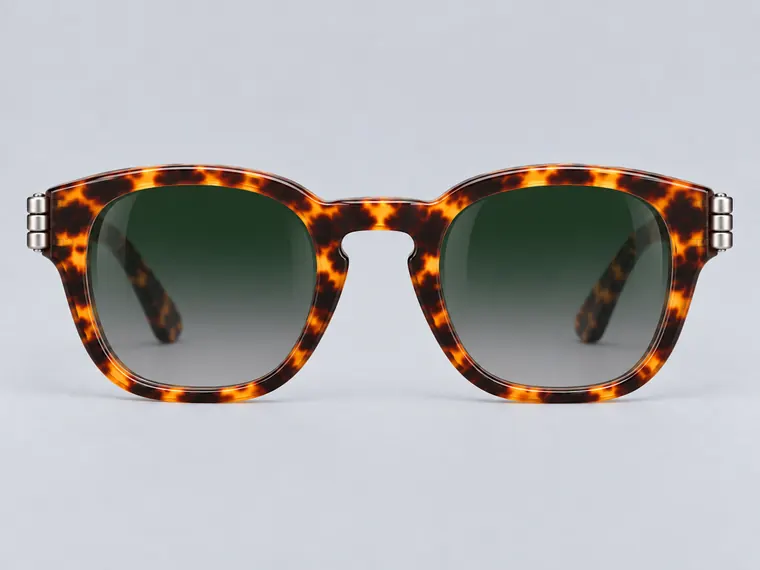
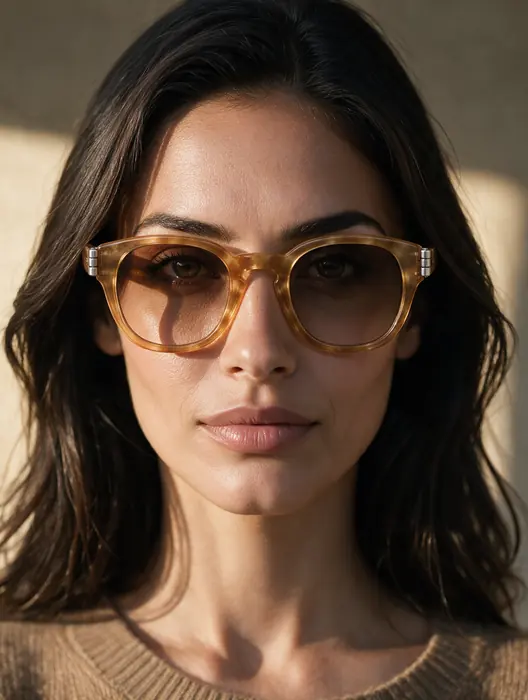
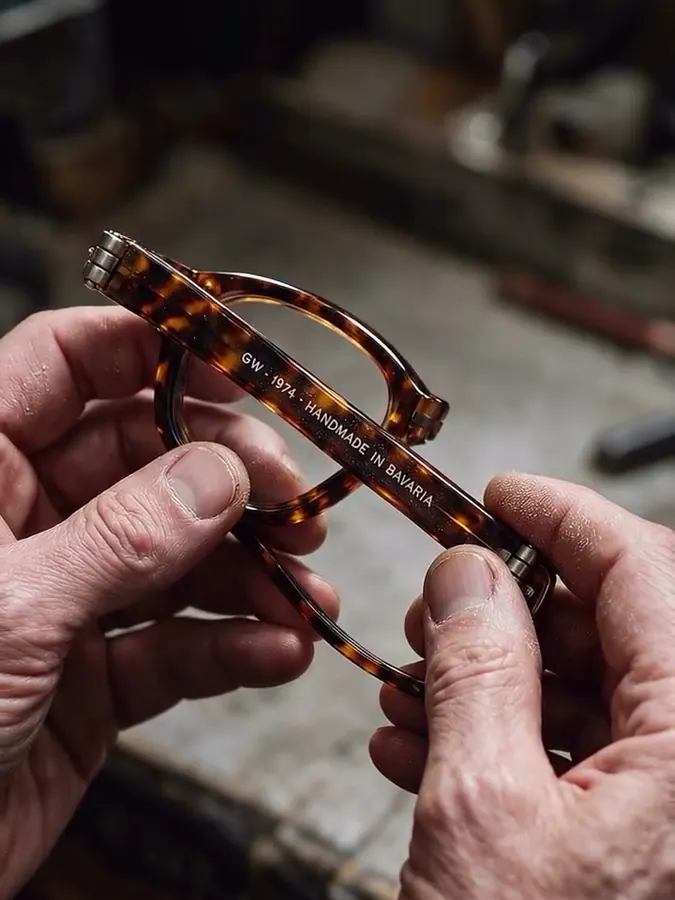
So the house was built the way a real one is: a shape first, then the material, then the people who wear it, then the shop. The CN-05 is a single square-round frame with a keyhole bridge and riveted three-barrel hinges, cut from six acetate blocks. Nothing in the catalogue is photographed; every view is produced in-pipeline and locked to the same reference set, which is why the amber tortoise in the hero is the same object as the amber tortoise on the product page.
The Shape
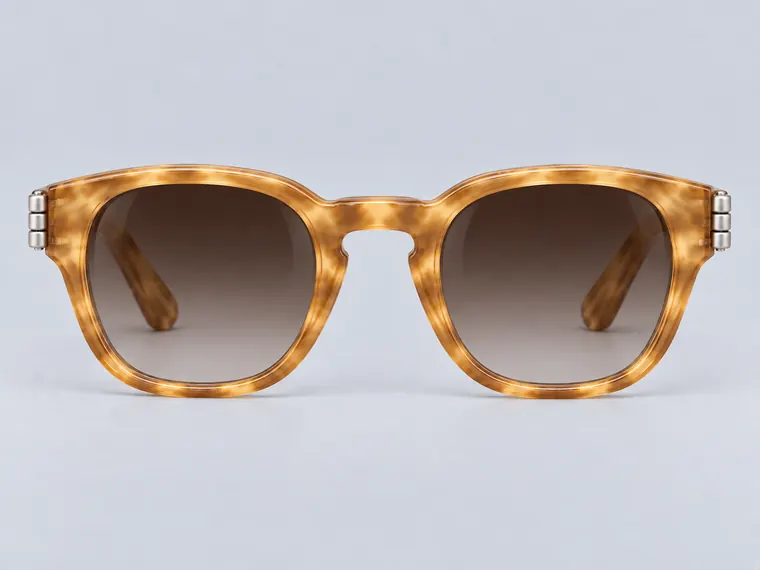
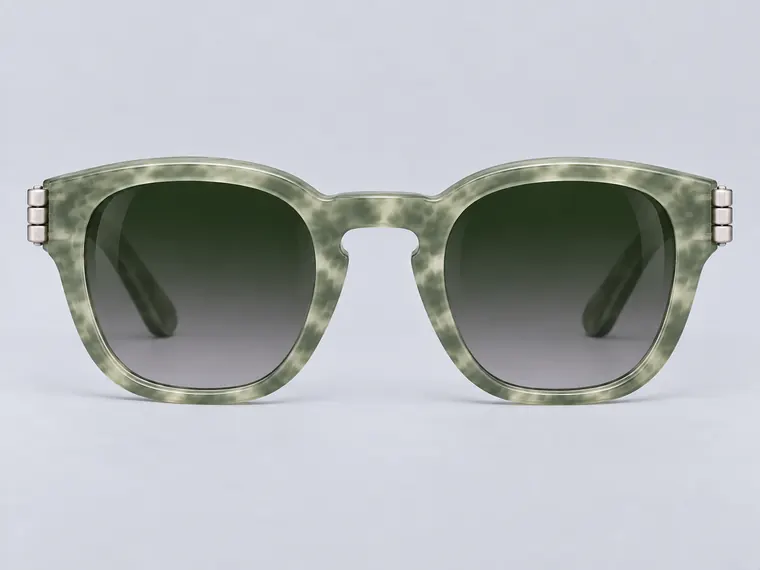
One frame, defined before anything was rendered: a square-round front, a keyhole bridge, no nose pads, riveted three-barrel hinges in german silver, temples tapering to a smooth ear bend. Written down as a specification first, so every later image had something to be measured against.
“One shape in the catalogue. Cut from a block, not a mould.”
A house that makes one frame is a stronger story than a house that makes forty, and it is also the honest constraint: a single geometry can be held to across an entire campaign. The invented history — opened in 1974 by an optician who had spent eleven years repairing other people’s frames — exists to justify the restraint, not to decorate it.
Six Acetates
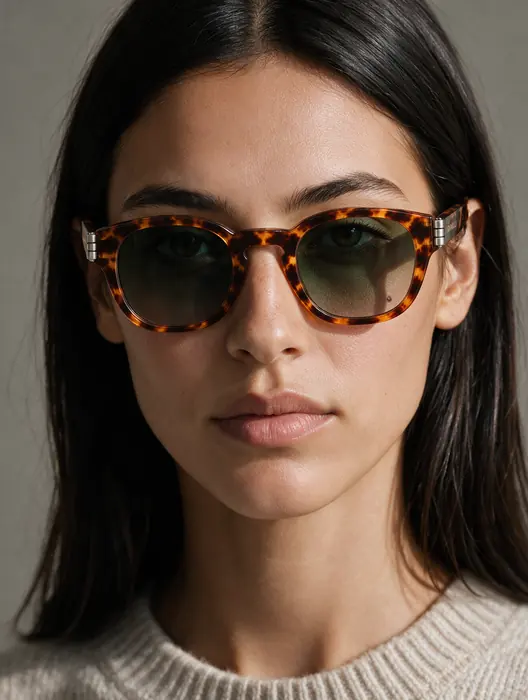
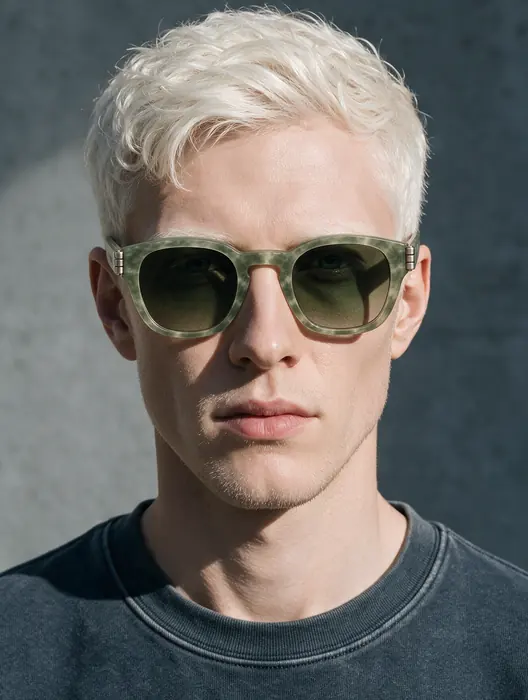
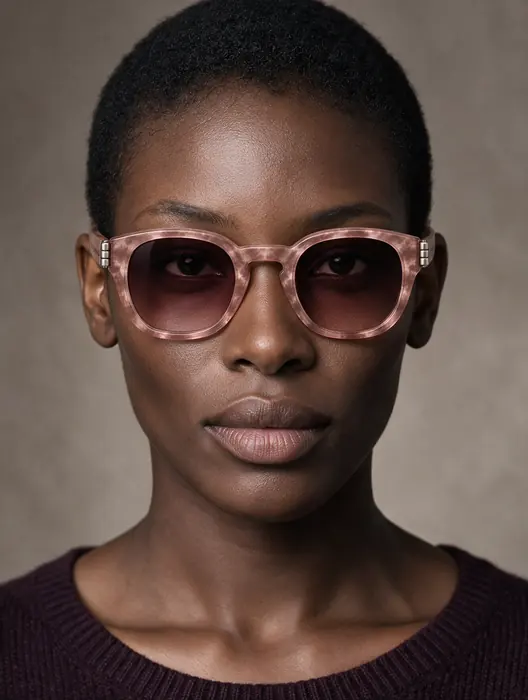
The same front cut from six blocks — Grauwald Smoke, Bein Ivory, Honig Blonde, Schildpatt Amber, Moos Sage, Heide Rose — each with its own lens tint. Twenty-four studio views in total: front, three-quarter, side and rear for every colourway.
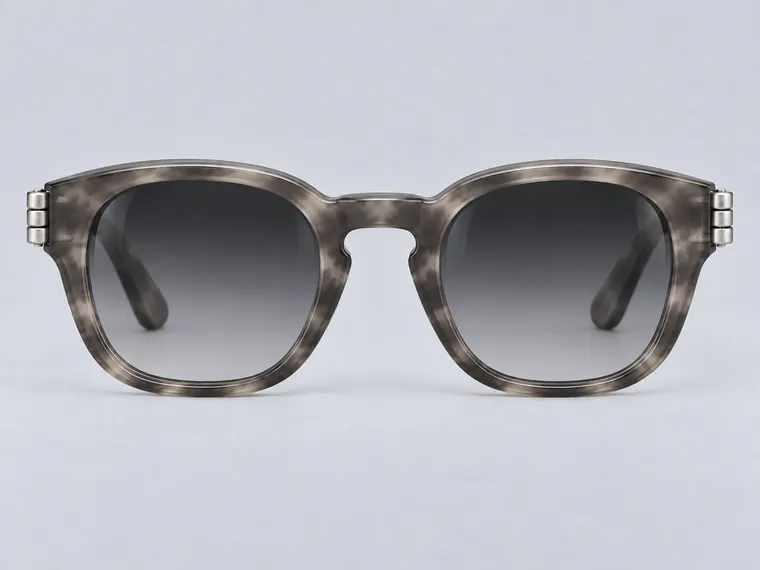
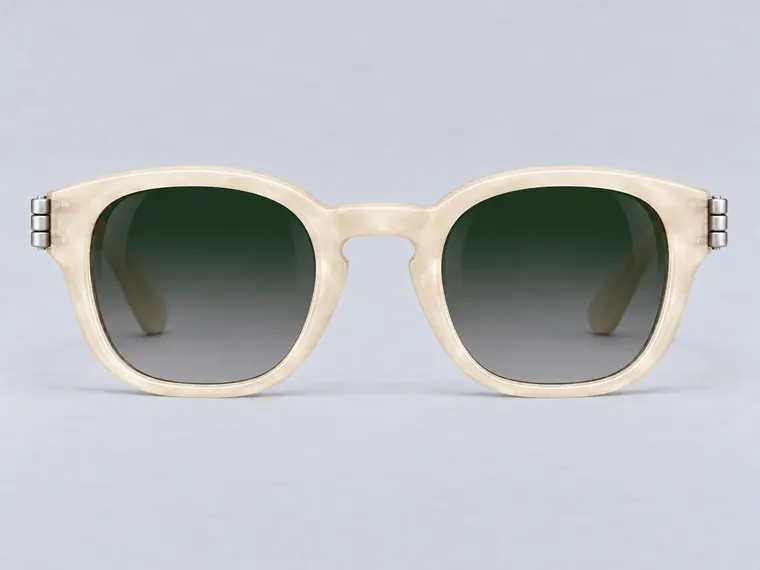
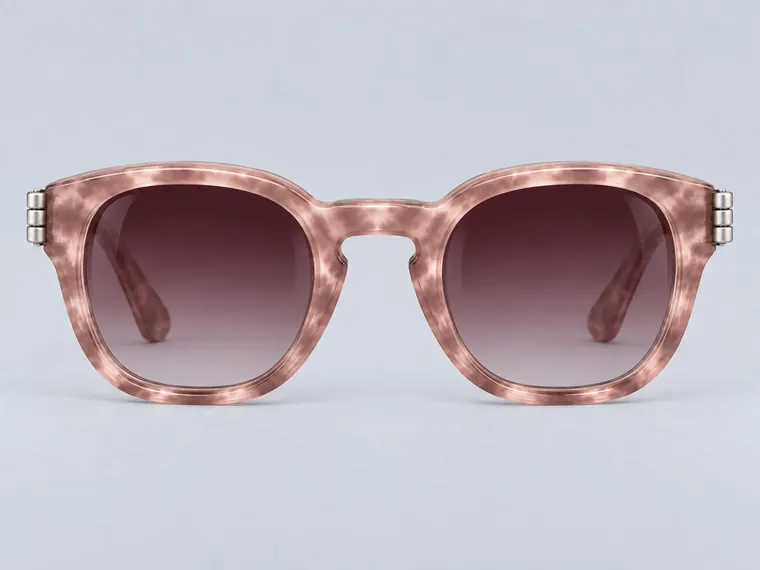
One Face Per Acetate
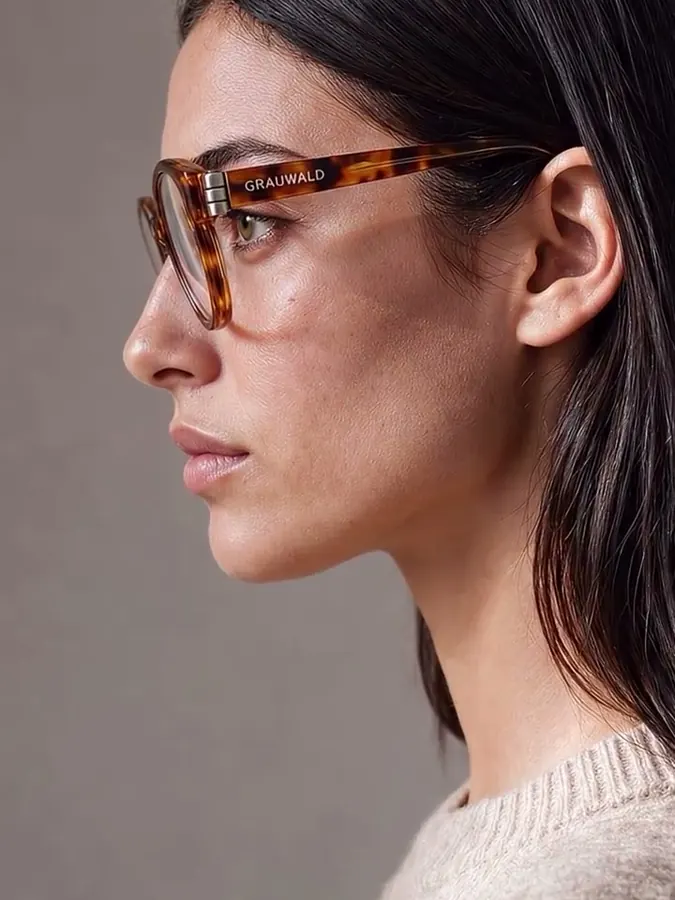
Six of our own synthetic talents wear the range — Aiko Velora, Milena Lindqvist, Livia Serrano, Miranda Calder, Elias Nygaard and Amara Okoye — cast so that each acetate meets the skin and hair it was made for. Every colourway carries its own portraits: frontal, profile and three-quarter.

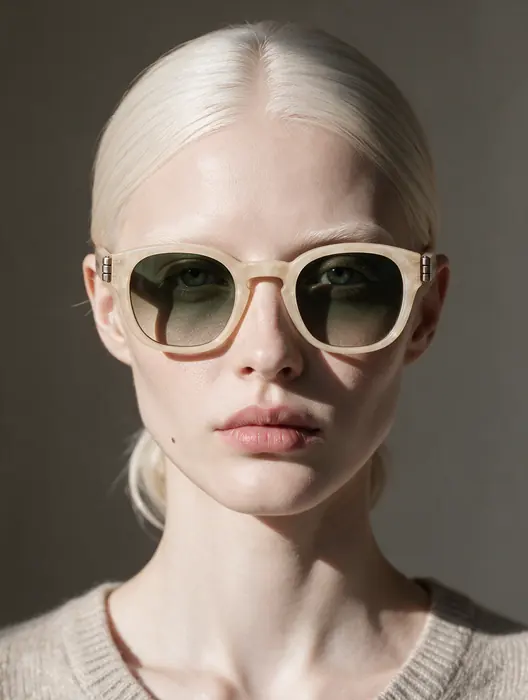
Holding The Object
The failure mode in AI product work is scale drift: a frame that grows into a statement piece the moment it meets a face, or an engraved wordmark that comes back misspelled at full sharpness. Both were solved the same way — by measurement, not adjectives.
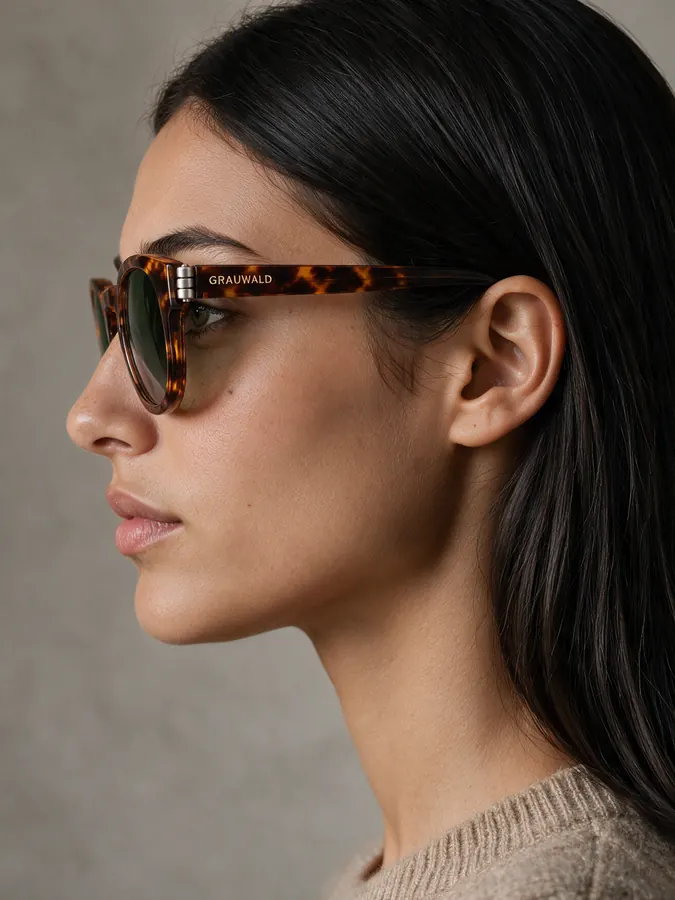
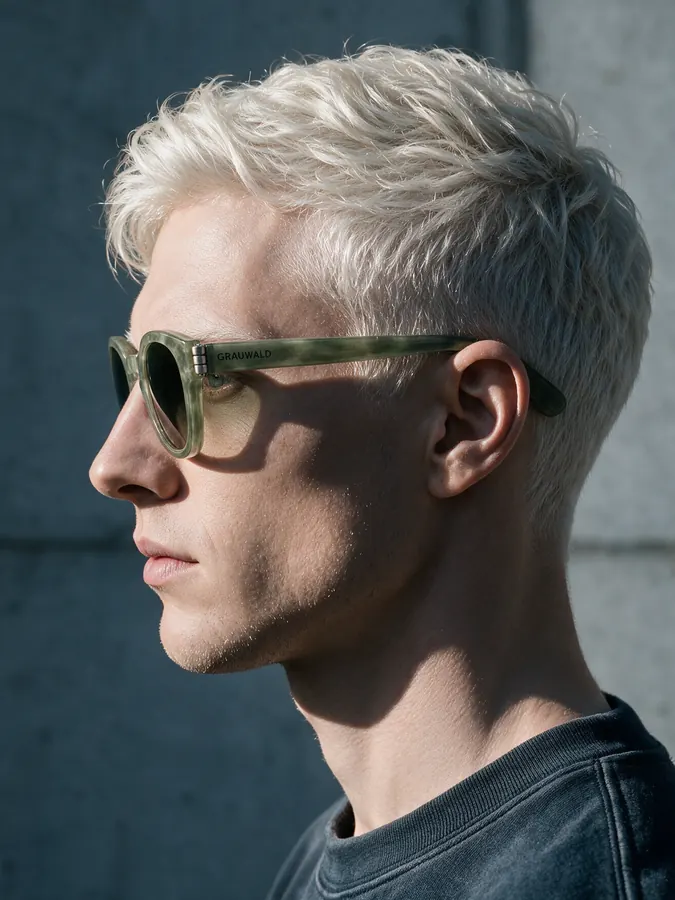
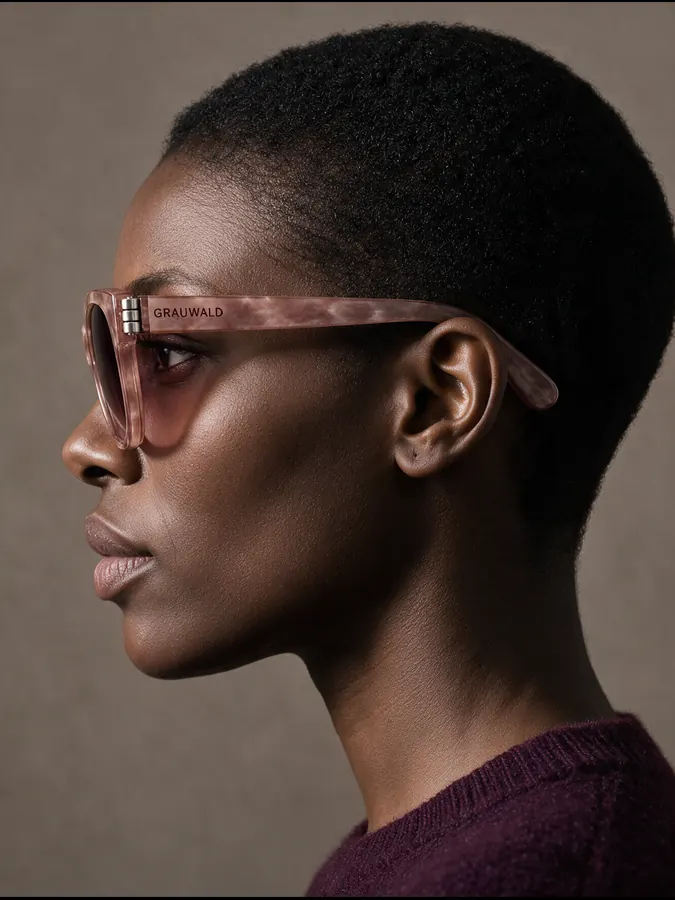
“Narrower than the face. Lens 1.6× wider than tall.”
Words like “small” and “discreet” get interpreted; ratios do not. Fixing the lens aspect and pinning the frame inside the cheekbones — with an explicit failure test for when it starts to look like a statement frame — is what kept the eyewear the same size across six faces and three angles.
The Film
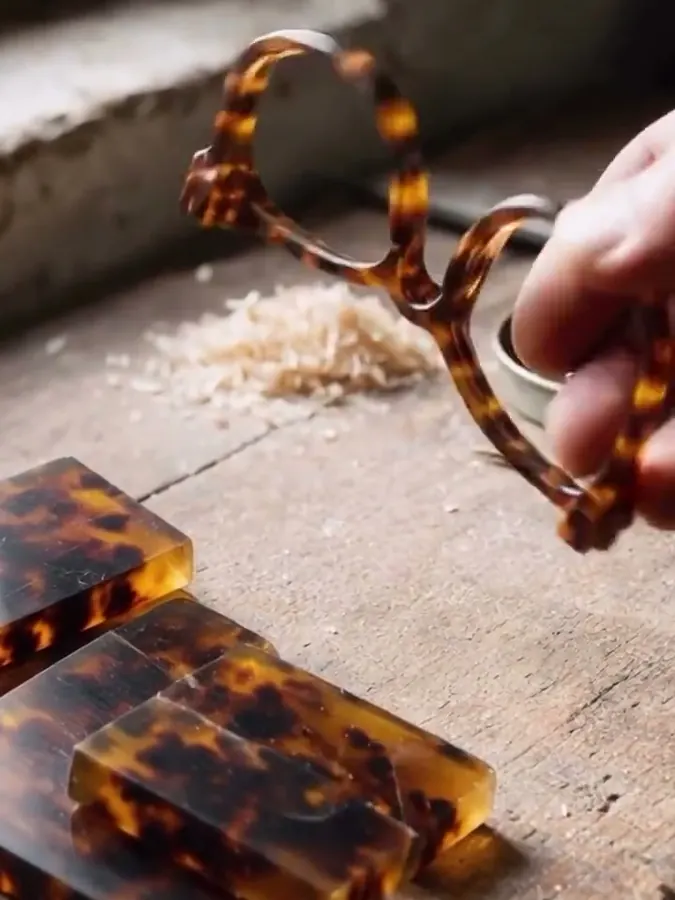
Forty-three seconds in the block room, the pantograph and the polishing drum. No narration, no voiceover — the sound of the bench, and a house that claims its frames are still made by hand.
The Store
Six routes, a six-acetate product page with live colourway and size switching, an optical line, the acetate story, the workshop, and the house — coded, deployed and live.
A house with a door you can open.
The GRAUWALD site runs as a standalone, responsive storefront with no build step: a single document, a small custom runtime, parallax on the hero and the campaign film. Colourway, size and gallery view are all live state — pick Heide Rose in size S and the specification table answers you. Visit the live GRAUWALD site →