Choosing Camera Angles by Emotion in AI Prompts
Framing is never left implicit in studio prompts. How mapping camera angles to emotional intent prevents flat eye-level shots and drift.

Key takeaways
- Framing must never remain implicit; generic descriptive prompts collapse into flat, eye-level snapshots.
- Camera angles should be selected based on the precise emotional register required by the narrative scene.
- Every prompt must declare only one primary camera angle to prevent contradictory focal vectors.
- Low-angle and extreme close-up shots maximize facial identity drift in image-to-video generative pipelines.
- Camera motion transforms emotional meaning: static holds read as monumental, while dollies read as threats.
The iron rule of explicit framing mechanics
Iron rule: framing is never left implicit. A prompt that says 'a woman holding a bag' gets a flat eye-level snapshot. We write the angle with its mechanic, for example 'low-angle shot from below, camera looking up so she towers and dominates the frame'.
Generative vision models rely heavily on training set priors. When descriptive text lacks explicit geometric camera vectors, diffusion algorithms default to the most statistically common photography: consumer eye-level portraiture. The resulting frames look pedestrian and flat, lacking cinematic weight or compositional tension.
To break out of default training bias, prompts must describe both the physical camera placement and its intended spatial relationship to the subject. Rather than simply requesting a dramatic portrait, stating that the camera sits near ground level looking upward forces the model to alter horizon perspective, elongate anatomical lines, and project authority into the character's posture.
Leaving camera geometry unspecified forces diffusion networks to fall back on generic training set distributions. When a prompt omits explicit angle instructions, the generated perspective invariably lands at mundane eye level, neutralizing the dramatic impact of wardrobe and lighting. Directing the virtual camera with physical mechanics ensures that every render captures the deliberate mood established in pre-production.
Mapping camera geometry to emotional registers
Angle is chosen from the emotion the shot must carry. Our table maps low angle to strong and dominant, high angle to small and vulnerable, Dutch tilt to tension, over-the-shoulder to connection, and back view to mystery.
In cinematic grammar, camera placement is not a decorative preference; it is the psychological lens through which viewers perceive narrative relationships. Placing the camera above a character looking downward compresses their stature against the floor, instantly communicating isolation or powerlessness. Conversely, lifting the subject above the lens establishes immediate physical dominance.
Over-the-shoulder angles anchor intimacy and conversation by creating depth planes between foreground silhouettes and speaking faces. Back views withhold facial emotion entirely, forcing the viewer to lean into narrative intrigue. When designing storyboards, our directors choose camera placement directly from the emotional beat sheet.
Every shot in an editorial campaign must communicate a precise psychological beat. By choosing the physical camera angle directly from emotional objectives, directors guide the audience's subconscious interpretation of the talent. A deliberate shift in elevation alters whether the subject appears commanding, intimate, or isolated, turning photographic composition into an emotional instrument.
The single primary angle discipline
One primary angle per shot. For variety, vary the angle across shots (wide, close-up, over-the-shoulder, low-angle closer), not inside a single frame.
Prompt engineers frequently attempt to pack visual complexity into a single take by listing multiple framing keywords. Prompting 'a wide low-angle overhead close-up' confuses the model's spatial attention layers, resulting in distorted perspectives, torn horizons, or muddled anatomy.
| Camera Angle | Emotional Register | Movement Meaning | Identity Drift Risk |
|---|---|---|---|
| Low-angle | Strong and dominant | Static: monumental; Dolly-in: approaching threat | Elevated in close framing |
| High-angle | Small and vulnerable | Static hold or slow crane down | Low to moderate |
| Dutch tilt | Tension and unease | Requires static tilted horizon | High if camera rotates |
| Over-the-shoulder | Connection and dialogue | Slow push toward subject | Moderate |
| Top-down (flatlay) | Detachment, design showcase | Overhead track or static | Zero (no facial features) |
Visual rhythm belongs in the editing timeline, not within individual diffusion prompts. High-impact sequences achieve dynamic energy through precise cutting between complementary perspectives—such as cutting from an establishing wide to an over-the-shoulder dialogue frame, followed by a low-angle reaction shot. Each generation prompt remains surgically dedicated to one primary perspective.
Attempting to combine conflicting angle terms inside a single prompt fractures the model's spatial layout attention. When multiple directional vectors fight for dominance within a single generation pass, anatomy and horizon lines consistently warp. Maintaining strict single-angle discipline across individual shots produces clean, stable compositions that assemble cleanly in editing.
Managing identity drift across video angles
Drift caution for image-to-video: close-up and extreme-low angles maximise identity drift, because the face fills the frame. Wide and symmetrical angles are the safest. A Dutch angle can wobble in motion, so we write 'static tilted horizon, locked camera'.
In synthetic video generation, facial consistency is inversely proportional to facial pixel area and angle severity. When an extreme low-angle shot places a character's face across the majority of the frame, minor frame-to-frame generative variances create jarring facial warping and flickering jawlines. Symmetrical, medium-to-wide perspectives anchor character features against surrounding environment geometry, keeping identity stable.
Dutch tilts introduce dynamic rotational instability into generative video solvers. Without rigid negative constraints, video models tend to correct the tilted horizon back toward horizontal across subsequent frames, creating an unwatchable rocking wobble. Declaring 'static tilted horizon, locked camera' freezes the angle across the entire generation take.
Visual stability is paramount when moving synthetic characters into animated takes. Close-up angles expand facial features across thousands of pixels, where microscopic generative fluctuations become immediately visible. Maintaining wider perspectives during movement passes anchors facial consistency, allowing synthetic talent to perform naturally without distracting drift.
Camera motion transforms dramatic meaning
The same angle can mean different things. A static low-angle hold reads as monumental. A low-angle slow dolly-in reads as an approaching threat. The movement changes the meaning, so we spec the movement separately.
Static holds project permanence, nobility, and stoic control. When the camera begins creeping forward along that same low axis, the emotional tone shifts violently into predatory suspense or mounting dread. Because motion alters the viewer's psychological reading so drastically, motion must be specified with distinct, unambiguous parameters.
Movement spec: write start position, path, end position and speed behaviour. Name the move you want and forbid the one it could be confused with, for example 'NOT a dolly out, NOT a track backward' for a zoom.
Orbit and tracking shots are the most drift-prone for identity, because the face is re-rendered from many angles. Static camera with subject motion is the safest identity-critical motion clip.
Top-down angles suit product hero inserts, because there is no face to drift.
When showcasing luxury accessories, perfume bottles, or footwear, top-down flatlays eliminate human anatomical complexity entirely, delivering clean product geometry with zero identity risk.
Related
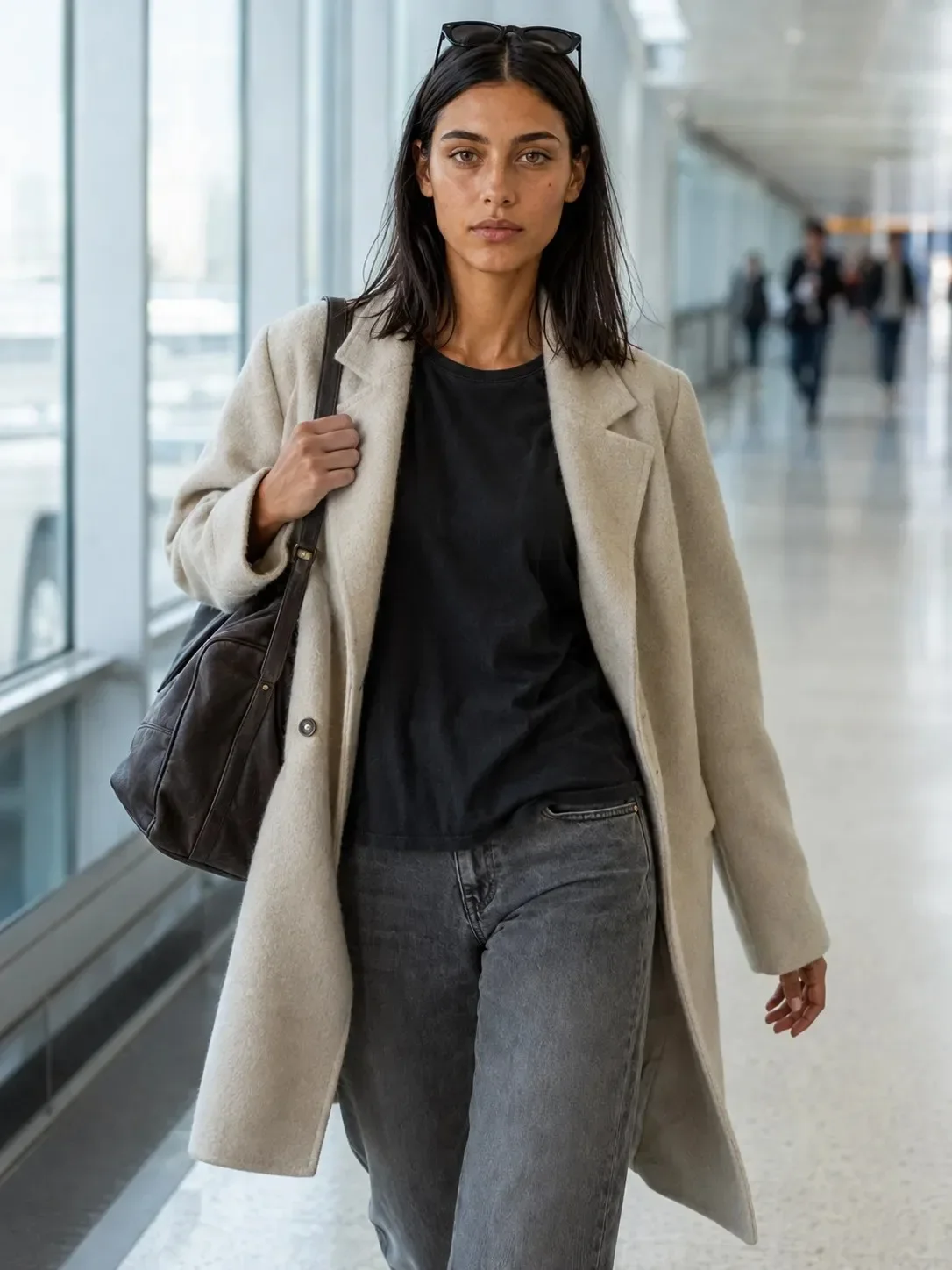
Writing Camera Moves for AI Video Models
Naming the move, one move per shot, what models do with compound moves: camera mechanics, dialogue constraints, and previz rules.
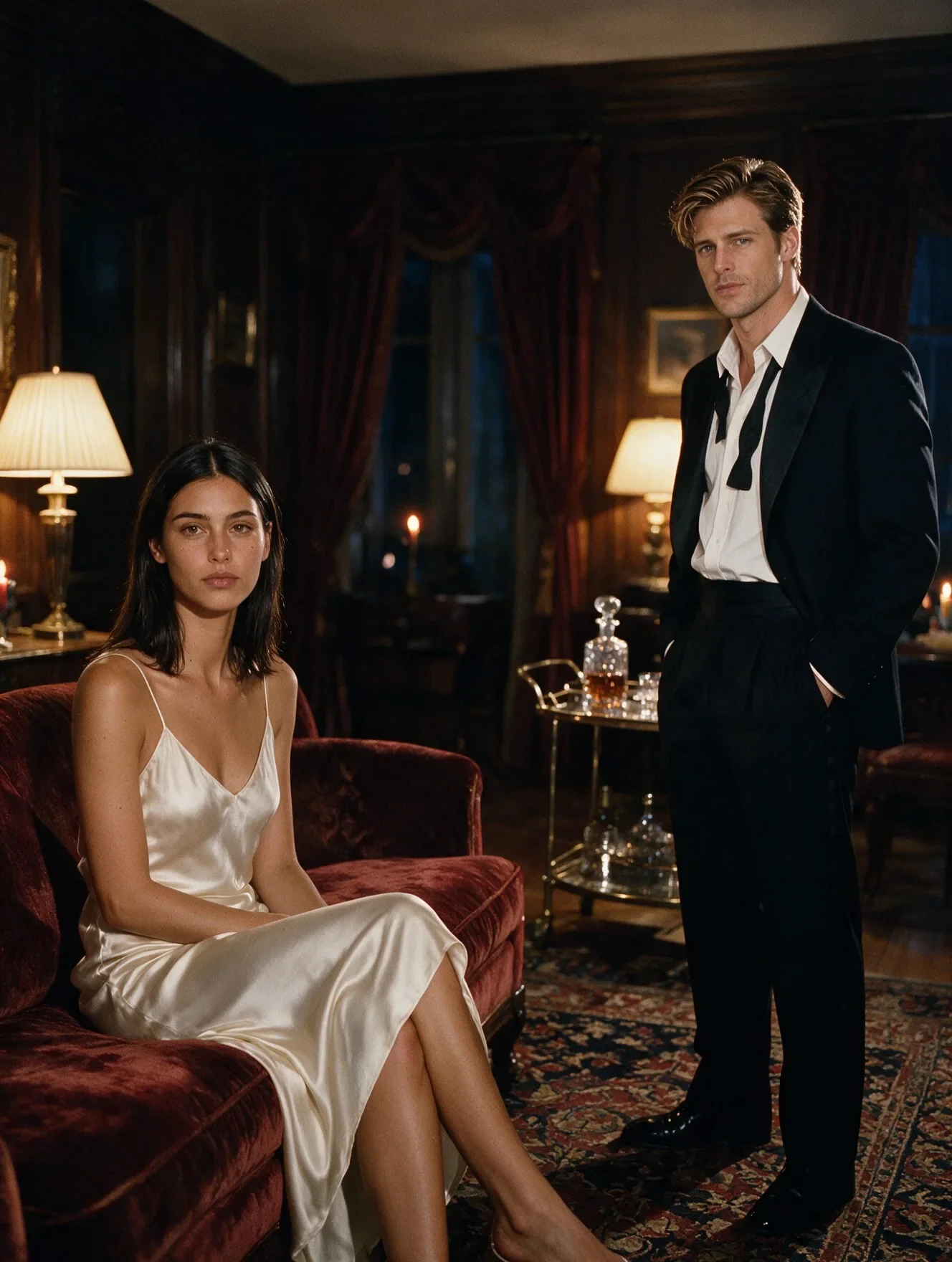
How to Prompt Seedance 2.5 for Dialogue Scenes
Two synthetic characters, two voices, two lines — and the right mouth moved for each on the first try. The structure that made it work, and the failures that taught us each rule.
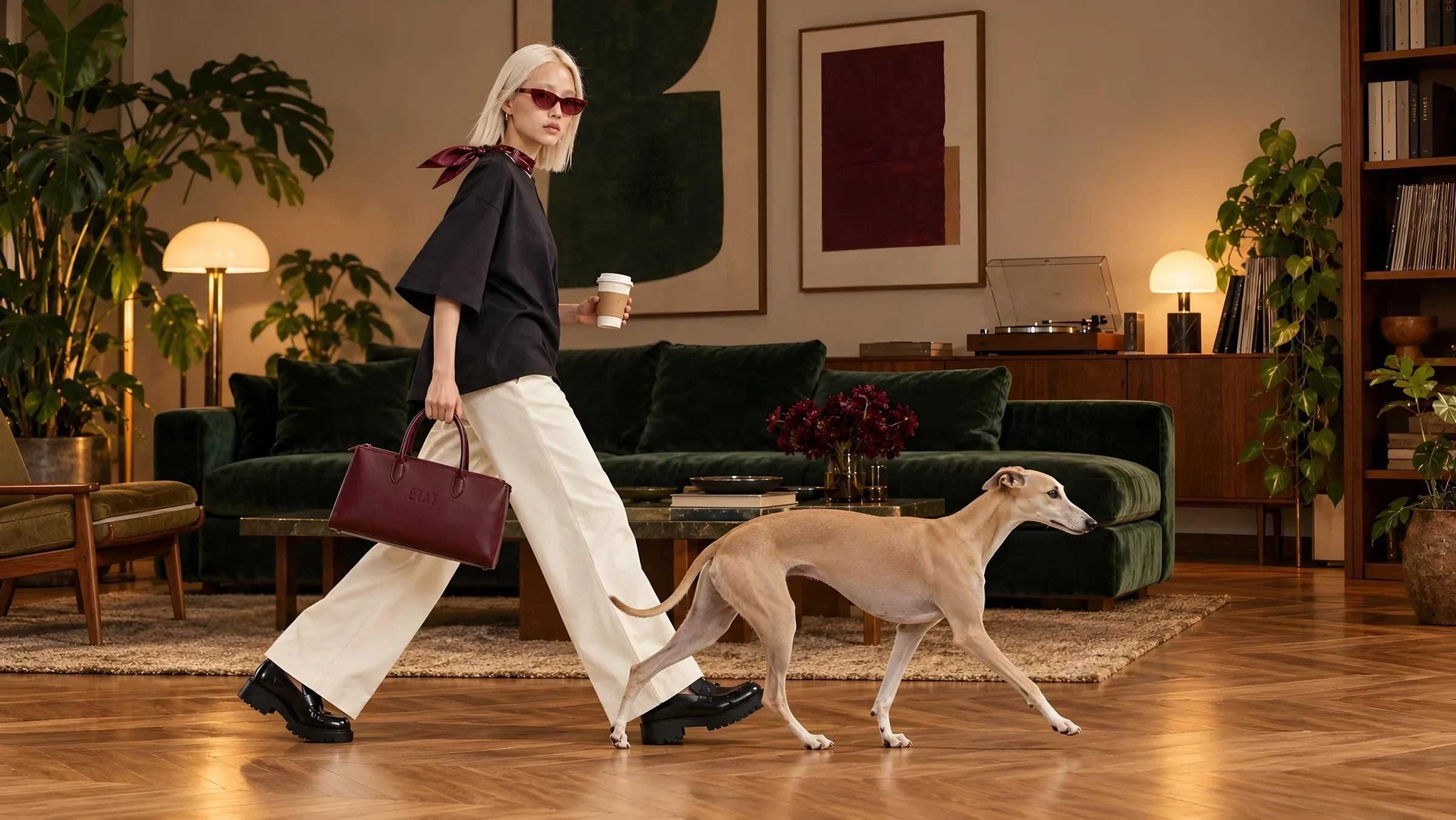
Kling 4.0 vs Seedance 2.5: Cost per Second and What Each Gets Wrong
Kling 4.0 really is less than half the price of Seedance 2.5 on the same platform. What the price comparison leaves out is the three default behaviours you have to prompt against, and the question nobody has answered yet: faces.